
Buriganga River: The Lifeline and Soul of Dhaka
If Dhaka is the heart of Bangladesh, then the Buriganga River is its pulse. Flowing along the city’s southern edge, this river has carried the stories of empires, merchants, and everyday people for centuries. From Mughal boats gliding through calm waters to the busy ferries and cargo ships of today, the Buriganga has always been the stage where Dhaka’s life unfolds.
A River That Gave Birth to a City
The name Buriganga means “Old Ganges,” and legend says it was once a part of the mighty Ganges River. When the course of the Ganges shifted, the Buriganga remained as a separate channel, nurturing the land and its people. During the Mughal period, this river became the lifeline of their new provincial capital, Dhaka.
It was along the Buriganga’s banks that Mughal governors built their palaces, mosques, and marketplaces. Boats carried silk, muslin, and spices to distant lands. Merchants from Armenia, Portugal, and England anchored here, filling the air with languages and cultures from across the world. The river gave Dhaka its first connection to global trade and shaped its destiny as one of South Asia’s most vibrant cities.
Sadarghat: The Beating Heart of the River
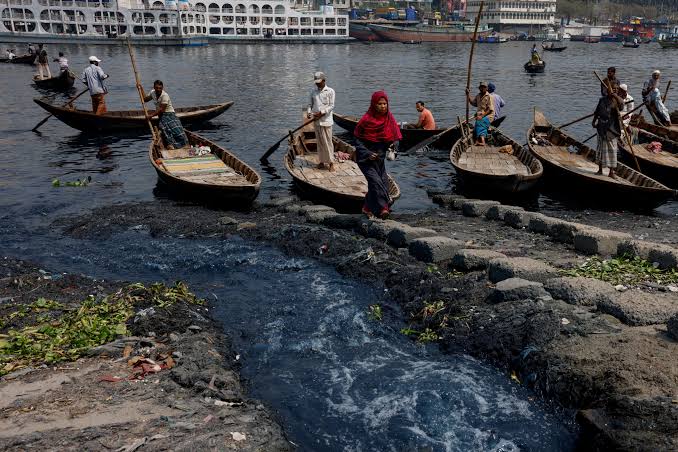
No place captures the energy of the Buriganga better than Sadarghat Port, one of the busiest river ports in the world. From early morning until late at night, hundreds of wooden boats and passenger launches crowd the water. The sound of engines, whistles, and human voices blend into a rhythm that feels both chaotic and beautiful.
Standing on the steps of Sadarghat, you can watch life unfold in layers. Traders unload goods, children wave from small boats, and travelers begin their journeys to the southern districts of Bangladesh. A short boat ride here offers an unforgettable view of Dhaka’s skyline, filled with the contrast of old colonial buildings and modern towers.
Echoes of the Past
In the seventeenth century, the Buriganga was a clean and graceful river where noblemen held royal celebrations. Historical records mention how the Mughal governor Shaista Khan used to travel along this river to visit Lalbagh Fort. The riverbanks were lined with gardens, mosques, and grand houses, making Dhaka one of the most elegant cities in the region.
One of the most famous products that once floated down this river was Dhakai Muslin, the legendary handwoven fabric that was so fine it could pass through a ring. Traders from all over the world came to Dhaka for it, and the Buriganga served as their main gateway.
Life Along the Banks
Today, the Buriganga still plays an essential role in the lives of thousands of people. Boatmen row through its waters, vendors sell tea on floating canteens, and families gather at the banks during sunset to enjoy the cool breeze. Even though modern challenges have affected the river’s health, it continues to be the heartbeat of Dhaka’s identity.
Many local initiatives and environmental groups are now working to revive the Buriganga. Cleaning projects, awareness campaigns, and eco-tours aim to restore its lost beauty and remind people of its historical importance. The dream is to bring back the river’s old charm while keeping it alive for future generations.
A Place of Reflection and Connection
Watching the sunset over the Buriganga is an experience that stays with you. The golden light dances on the waves, and the silhouettes of boats move gently against the fading sky. It is in these moments that you feel the soul of Dhaka’s hardworking, resilient, and full of life.
The Buriganga is not just a river. It is a living story of survival, trade, culture, and faith. It is where the old meets the new, where history flows quietly beside the noise of the modern world.
Experience the Buriganga River with Trip Glider
Join Trip Glider for an unforgettable journey through the Buriganga River. Enjoy a peaceful boat ride, discover hidden corners of Old Dhaka, and feel the city’s heartbeat from the water. Every wave tells a story, and we help you live it.
Follow Us On: