
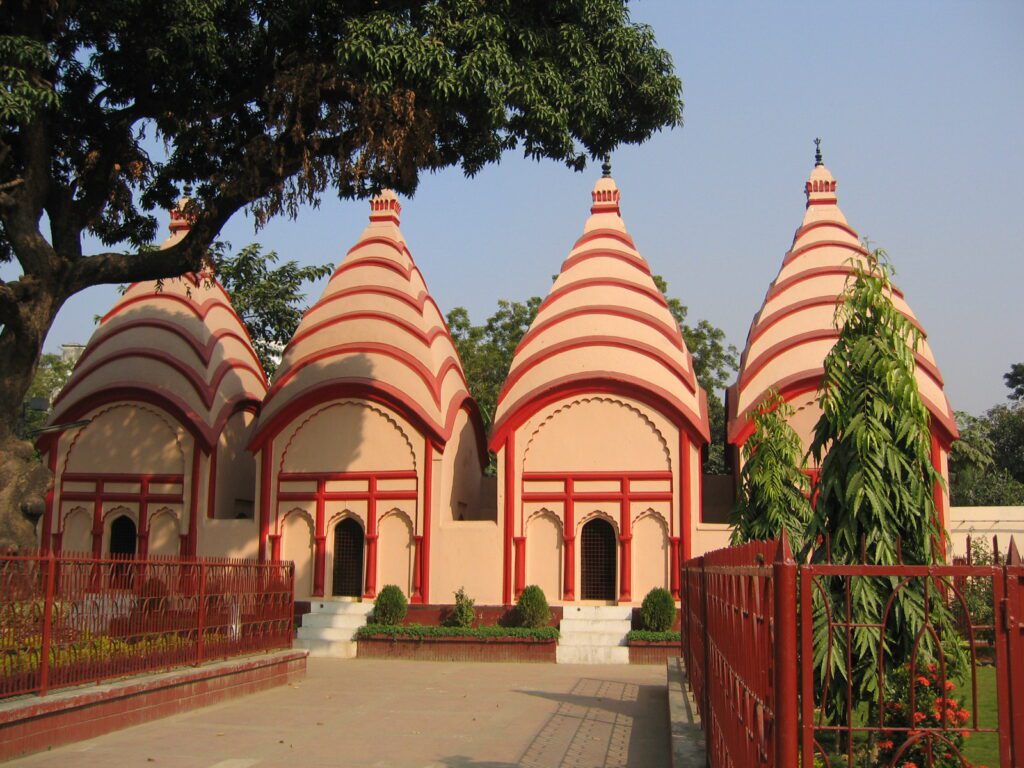
Dhakeshwari Temple: The Spiritual Heartbeat of Dhaka
Amid the noise and rush of Dhaka’s busy streets, there is a sacred place where peace still lives in the Dhakeshwari Temple. Often called the “Goddess of Dhaka,” this temple is not only the oldest Hindu temple in the city but also the one that gave Dhaka its very name. For centuries, it has been a symbol of faith, unity, and resilience, standing quietly as empires rose and fell around it.
A Temple Born from Legend
The history of Dhakeshwari Temple is deeply rooted in myth and devotion. It is believed that the temple was built over eight hundred years ago by King Ballal Sen of the Sena Dynasty. According to legend, the king once had a divine dream revealing the location of a hidden idol of Goddess Durga. Guided by that vision, he discovered the idol in Dhaka and built a temple to honor her. The goddess was named “Dhakeshwari,” which means “Goddess of Dhaka.” Over time, the entire city came to be known after her which is Dhaka, the city of the goddess.
Though the exact date of construction is unknown, historians agree that the temple has stood since the twelfth century, making it one of the oldest continuously active places of worship in Bangladesh.
A Blend of Faith and History
The temple complex is a fascinating mix of old and new. The main sanctum houses the four-armed idol of the goddess, adorned with flowers, lamps, and offerings from devotees. The scent of incense fills the air, and the gentle sound of bells creates a feeling of serenity even as the city hums just beyond the walls.
Dhakeshwari Temple has witnessed centuries of history from the rule of the Senas to the Mughals and the British. Despite wars, partitions, and political changes, it has remained a sacred space for both Hindus and non-Hindus. The temple was damaged during various periods, but it has always been rebuilt and restored by the community, proving that faith is stronger than time.
A Place of Celebration
The temple becomes especially vibrant during Durga Puja, the most important festival for Hindus in Bangladesh. The entire complex lights up with candles and decorations, and devotees gather to pray, sing, and dance. The sounds of conch shells and drums fill the air, and the energy is pure joy.
Even outside festival times, visitors can see daily rituals, hear traditional chants, and feel the warmth of devotion. Many people visit not only for worship but also to find peace in its calm atmosphere.
Architecture That Tells a Story
Though Dhakeshwari Temple has been renovated several times, it still holds traces of ancient architecture. The temple complex includes a central courtyard, small shrines, and a pond used for religious rituals. The design reflects both Hindu artistic traditions and the local Bengali touch, giving it a unique identity that belongs only to Dhaka.
A Symbol of Cultural Harmony
Dhakeshwari Temple stands as a reminder of Bangladesh’s deep-rooted cultural diversity. Located just a short distance from Lalbagh Fort and the National Museum, it sits peacefully within a city of mosques and churches, proving that harmony is possible even in the busiest of capitals. Many local Muslims and people from other faiths visit the temple out of respect, especially during festivals.
A Living Heritage
To visit Dhakeshwari is to walk into living history. You can watch the priests preparing offerings, see devotees lighting candles, and hear stories passed down through generations. The temple does not feel like a monument. It feels alive, breathing with prayers, memories, and love.
When you step out of its gate, the noise of Dhaka feels different – softer somehow, as if the goddess herself blesses the city every day.
Experience Dhakeshwari Temple with Trip Glider
Join Trip Glider to explore the spiritual and historical heart of Dhaka. Visit Dhakeshwari Temple, listen to ancient legends, and feel the peace that still flows through this sacred place. Our Dhaka heritage tour takes you beyond sightseeing into the real soul of the city.
Follow Us On: