
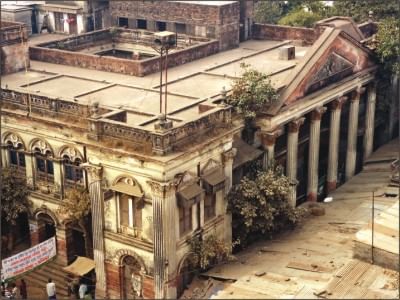
Old Dhaka: The Timeless Soul of Bangladesh’s Capital
Old Dhaka is the heart where the true rhythm of the city beats. Every street, every turn, and every building tells a story of centuries of history, faith, and culture. It is where Dhaka began, and even today it remains a living museum filled with color, sound, and emotion. For travelers who wish to experience the real Bangladesh, Old Dhaka is not just a destination. It is a feeling that stays with you long after you leave.
A Journey Through Centuries
The story of Old Dhaka begins in the early seventeenth century when it became the capital of Bengal under the Mughal Empire. Back then, the city was known as Jahangirnagar, named after the Mughal emperor Jahangir. It grew rapidly as a center of trade, famous for its fine muslin fabrics that were sought after across the world. Merchants from Armenia, Portugal, and England came to do business here, and the city flourished as one of South Asia’s busiest trading hubs.
As years passed, new rulers came and went, but Old Dhaka remained a vibrant heart of art, architecture, and community. Even today, many of the narrow lanes and ancient buildings reflect that rich past.
The Streets That Tell Stories
Walking through Old Dhaka feels like stepping into a living film. Rickshaws move slowly through crowded alleys, while the air is filled with the scent of spices and biriyani. The streets are loud yet full of charm, and every corner hides something fascinating.
In Shakhari Bazar, rows of colorful old houses stand shoulder to shoulder. Here you will find Hindu artisans crafting conch bangles, an art that has been passed down through generations. A short walk away stands the Armenian Church of the Holy Resurrection, a peaceful reminder of the foreign communities that once lived in Dhaka.
Nearby, the Star Mosque shines with its beautiful mosaic tiles, and the Dhakeshwari Temple welcomes visitors with a sense of calm and devotion. Every site is a piece of Dhaka’s soul, each representing a different faith and story that adds to the city’s diversity.
The Taste of Tradition
Old Dhaka is a paradise for food lovers. The aroma of Haji Biriyani, the flavor of Star Kabab, and the sweet lassi from Beauty Lacchi create an unforgettable experience. During the month of Ramadan, Chawk Bazaar turns into a festival of taste. Hundreds of stalls sell traditional iftar items like kebabs, halim, and roasted meats that have been loved for generations.
Food in Old Dhaka is not just about eating. It is about sharing, community, and tradition. Every recipe carries the memory of a family and the pride of a culture that values hospitality.
Landmarks That Define the City
Lalbagh Fort, one of the most famous landmarks, stands proudly as a symbol of the Mughal era. Built by Prince Azam in the seventeenth century, it reflects the glory and mystery of that time. The fort’s garden, mosque, and tomb still attract visitors who come to admire its beauty and feel its history.
And then there is Sadarghat, the busiest river port in Bangladesh. Watching boats glide across the Buriganga River while the sun sets behind the old city is one of the most magical sights in Dhaka. It shows how deeply the river and the city are connected, both flowing with life and motion.
The Spirit of Old Dhaka
What makes Old Dhaka truly special are its people. They are loud, warm, and full of life. From shopkeepers calling out to customers to children playing in alleys, every sound adds to the melody of this timeless city. The people carry generations of pride and hospitality, making visitors feel like part of their own story.
Explore Old Dhaka with Trip Glider
To truly experience Old Dhaka, you need to walk through its history with someone who knows its secrets. Join Trip Glider’s Old Dhaka Heritage Tour to discover the stories behind its landmarks, taste its authentic food, and feel the pulse of a city that never sleeps.
Old Dhaka is not just the beginning of the city. It is the living soul of Bangladesh, a place where history breathes through every street and where every traveler finds a piece of the country’s heart.
Follow Us On: